Category: NMEA 2000, 0183 & Signal K
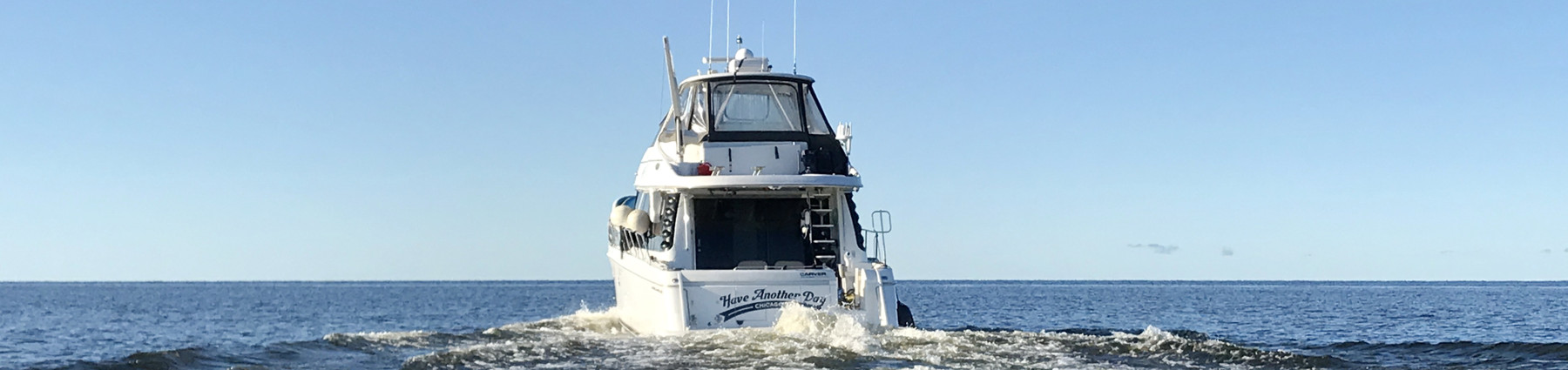
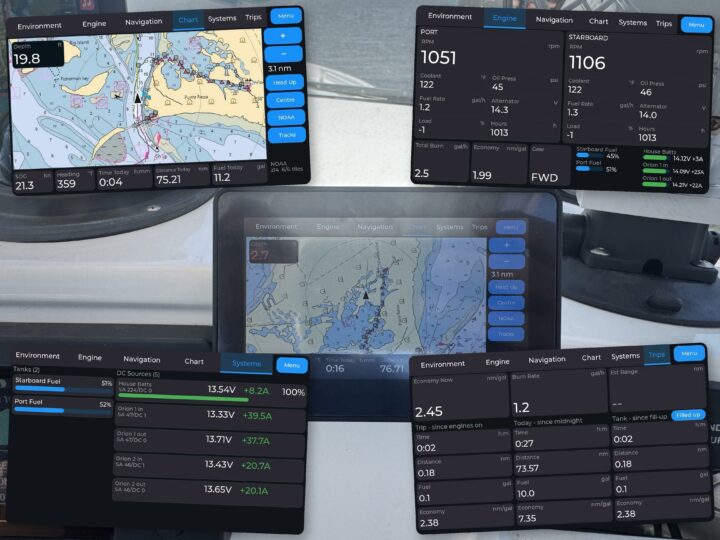
I’ve been trying to figure out how to write about artificial intelligence’s role in home-built marine electronics for the better part of a year, and I still don’t have a clean answer. I’m going to write it anyway. Here’s what I’ve learned about what AI can actually do for you, where it falls down, and what happens when it doesn’t. The opportunity is real; you can finally build your instrumentation and navigation electronics exactly the way you want it. But so are the potential pitfalls. AI will happily put someone with limited knowledge deep in the bowels of their own navigation electronics. On a boat, that can get dangerous.
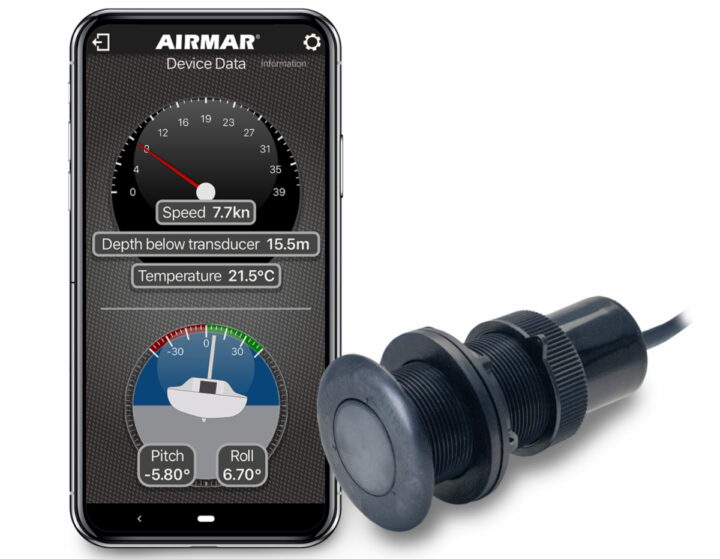
AIRMAR, a global leader in ultrasonic transducers and CHIRP sonar technology, today announced the launch of the TriSonic Smart Multisensor, the only ultrasonic speed sensor available in the marine market. “The TriSonic Smart Multisensor marks a major advancement in marine speed sensing,” stated Craig Cushman, Director of Marketing. “Utilizing proven ultrasonic measurement for speed-through-water, we’ve…
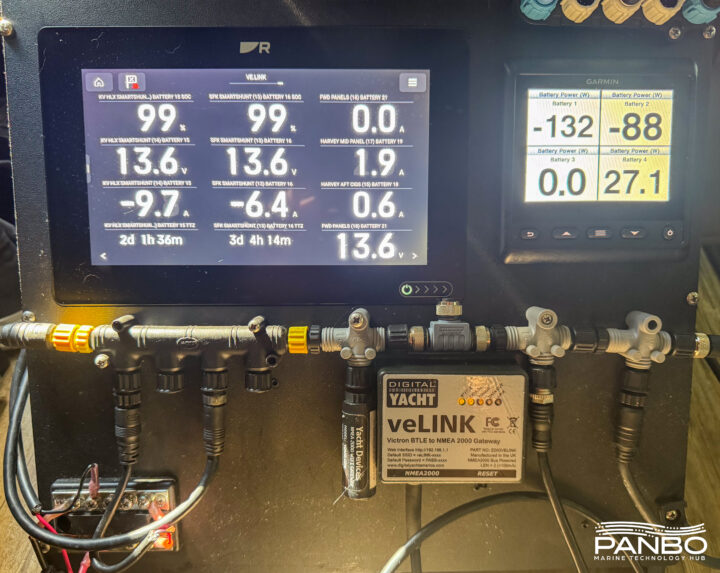
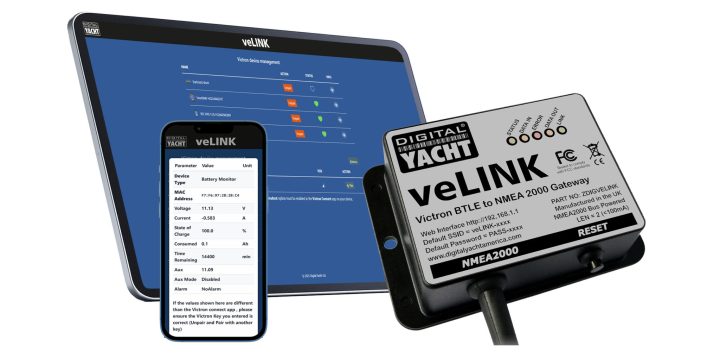
Victron makes an impressive line of electrical products for boats, RVs and off-grid systems. They offer a similarly broad — and maybe even dizzying — array of connectivity options. But, despite those options, there is a big gap between a simple Victron setup with just a few devices connected to your cell phone via Bluetooth and a full-blown GX system with a Cerbo, Ekrano, or other control hardware. Digital Yacht aims to fill that void with the veLink, a Victron Bluetooth to NMEA 2000 converter.
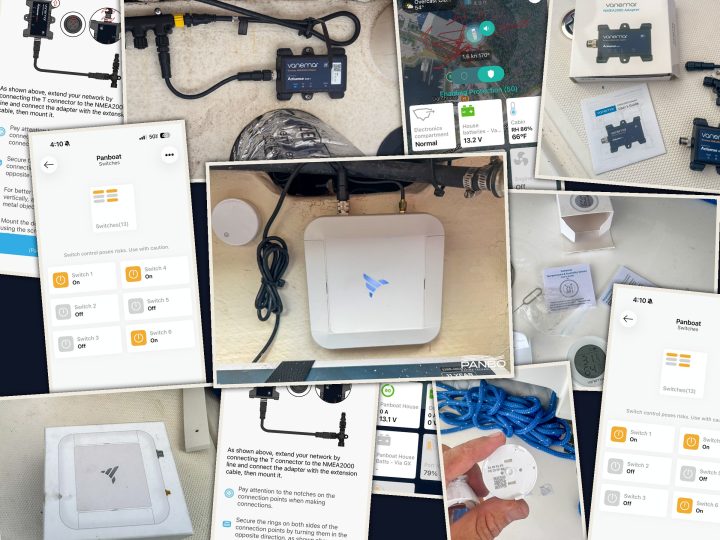
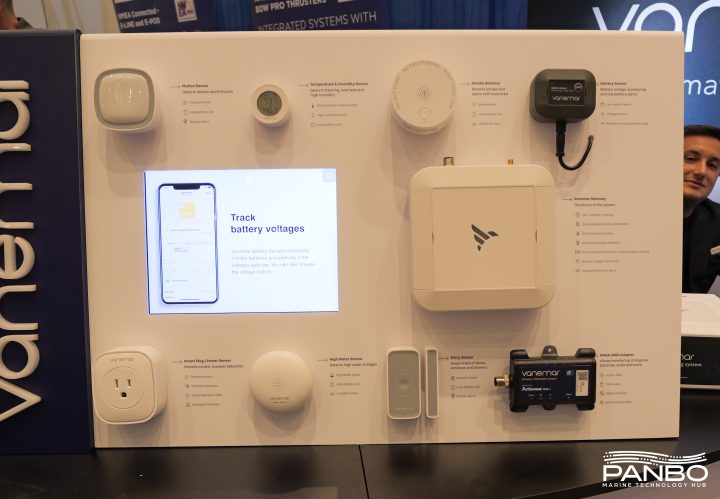
Vanemar’s monitoring system joins a rather crowded field of monitoring products with their own spin on how best to monitor your boat. With a strong reliance on wireless sensors, extensive NMEA 2000 integration, and an emphasis on user experience throughout the product, Vanemar makes their case for consideration when selecting a monitor. But, currently the lack of bilge pump monitoring holds me back from a full throated recommendation.
Digital Yacht has been on a roll recently with clever, relatively simple products to solve specific needs. Well, they’ve done it agian. This time, Digital Yacht has introduced a small converter that connects to Victron products via Bluetooth, convert their data, and share it on a NMEA 2000 network. The veLINK gateway solves problems on boats without a GX device and for Victron devices without wired connectivity.
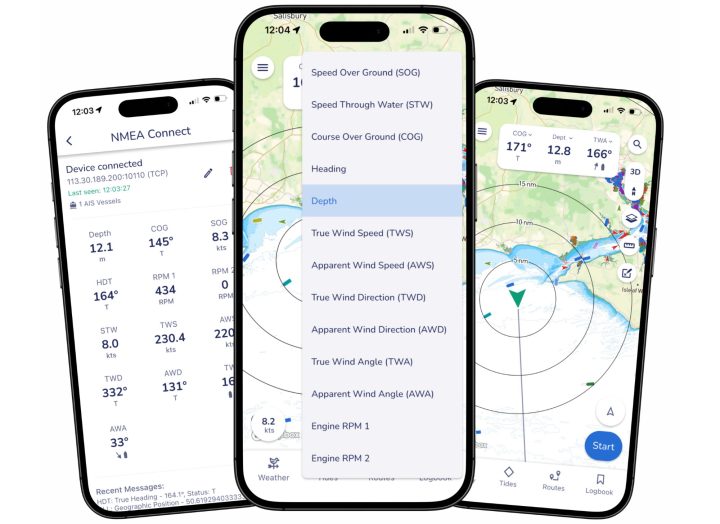
Working with award-winning Actisense, recognised globally for their NMEA interconnectivity speciality, Savvy Navvy’s new NMEA Connect feature enables boaters to view real-time data including wind, depth, engine RPMs, speed through water, heading and more, in the app…
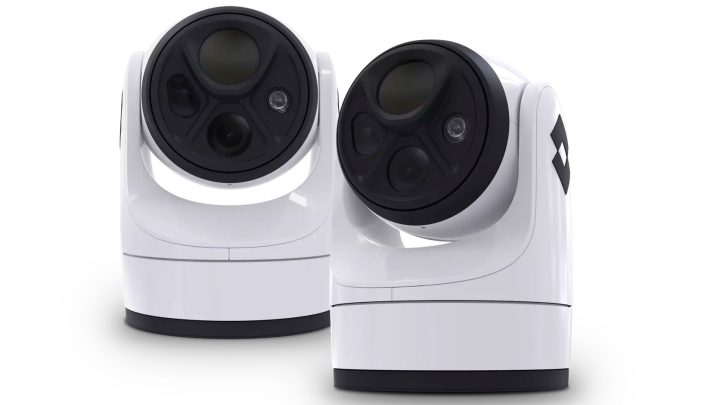
FLIR, global leader in high-performance marine thermal-imaging systems, announced today the debut of its new flagship series of multi-spectral maritime camera systems, the M460 and M560, elite AI-powered multi-spectral camera systems tailored specifically for professional marine applications ranging from first responders, commercial vessels, and superyachts. Taking the next step from a conventional thermal camera…
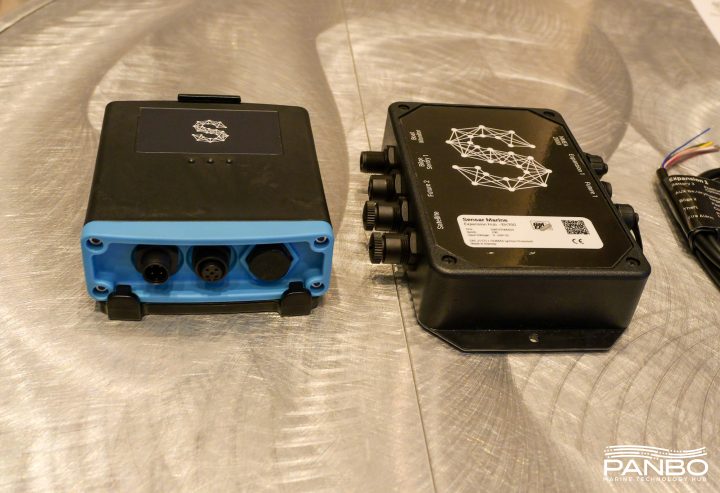
I wasn’t kidding in my Vanemar writeup when I mentioned boat monitoring products’ strong showing at the NMEA’s 2025 conference. Continuing with that theme, let’s take a look at Sensar Marine’s Expansion Hub. The Expansion Hub pairs to their existing monitor to bring more capabilities to the original monitor without sacrificing the monitors’ core strengths.
Boat monitoring isn’t a new category, but looking around the exhibition hall at the 2025 National Marine Electronics Association (NMEA) conference, you might think differently. The hall featured at least eight companies exhibiting boat monitoring products and nearly half the entrants in the Best New Product awards were boat monitors. So, why so much activity in boat monitoring? Frankly, I’m not entirely sure. However, there is a noticeable improvement in the quality of all the monitors I saw. I am excited by the refinement and advances in the products on display. Speaking of refinement, Turkey based Vanemar was there displaying their system with wireless sensors, NMEA 2000 integration, video capabilities and a slick app.
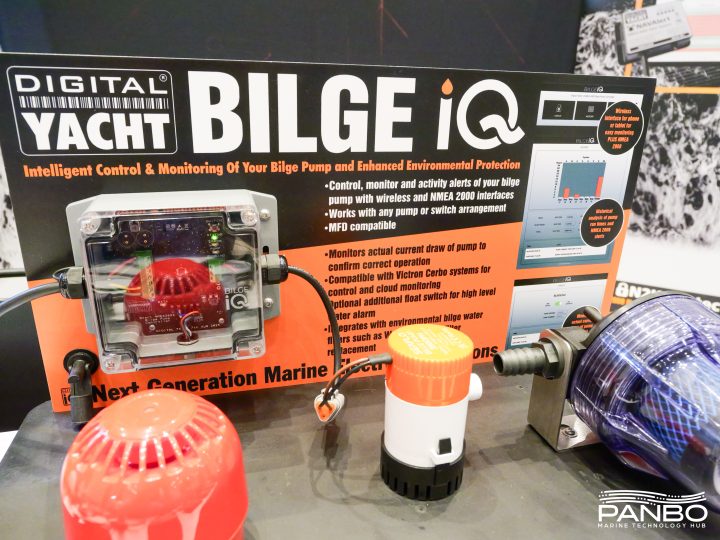
Last week, the National Marine Electronics Association (NMEA) held their annual conference in West Palm Beach. This year’s conference featured quite a few interesting product introductions. I had the opportunity to see most of them while helping judge the NMEA’s Best New Product and NMEA Technology Awards. I plan several articles covering the various product introductions, though I’ll have to be quick about it as IBEX begins next week. Digital Yacht’s Bilge IQ is a NMEA 2000 and WiFi connected bilge pump control and monitoring system. The clever system monitors bilge pump activations, runtime, and current draw. My fellow judges and I thought enough of it to give it the Best New Product award. What did we see that intrigued us enough to award it? Let’s take a look.



Recent Panbo Comments