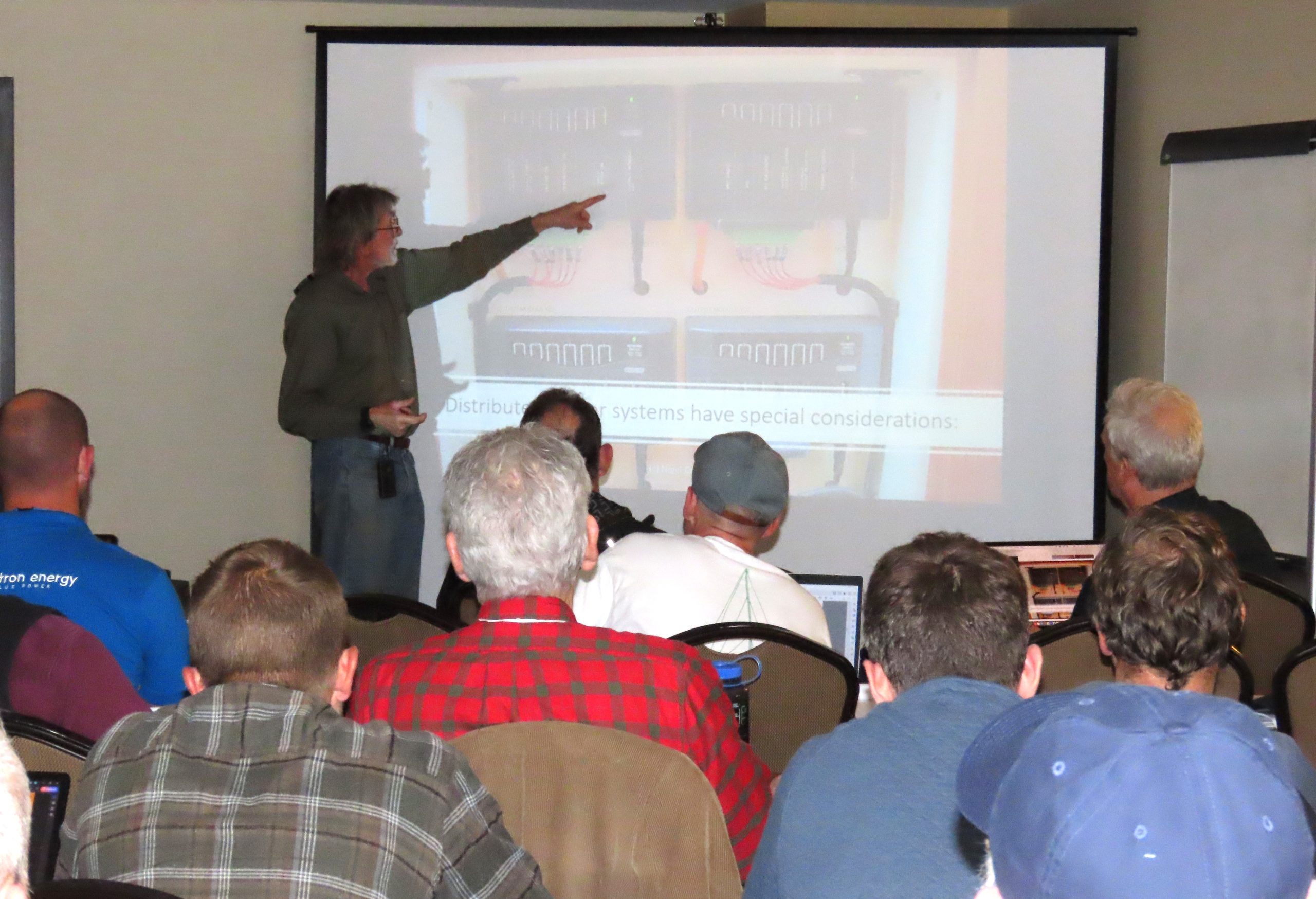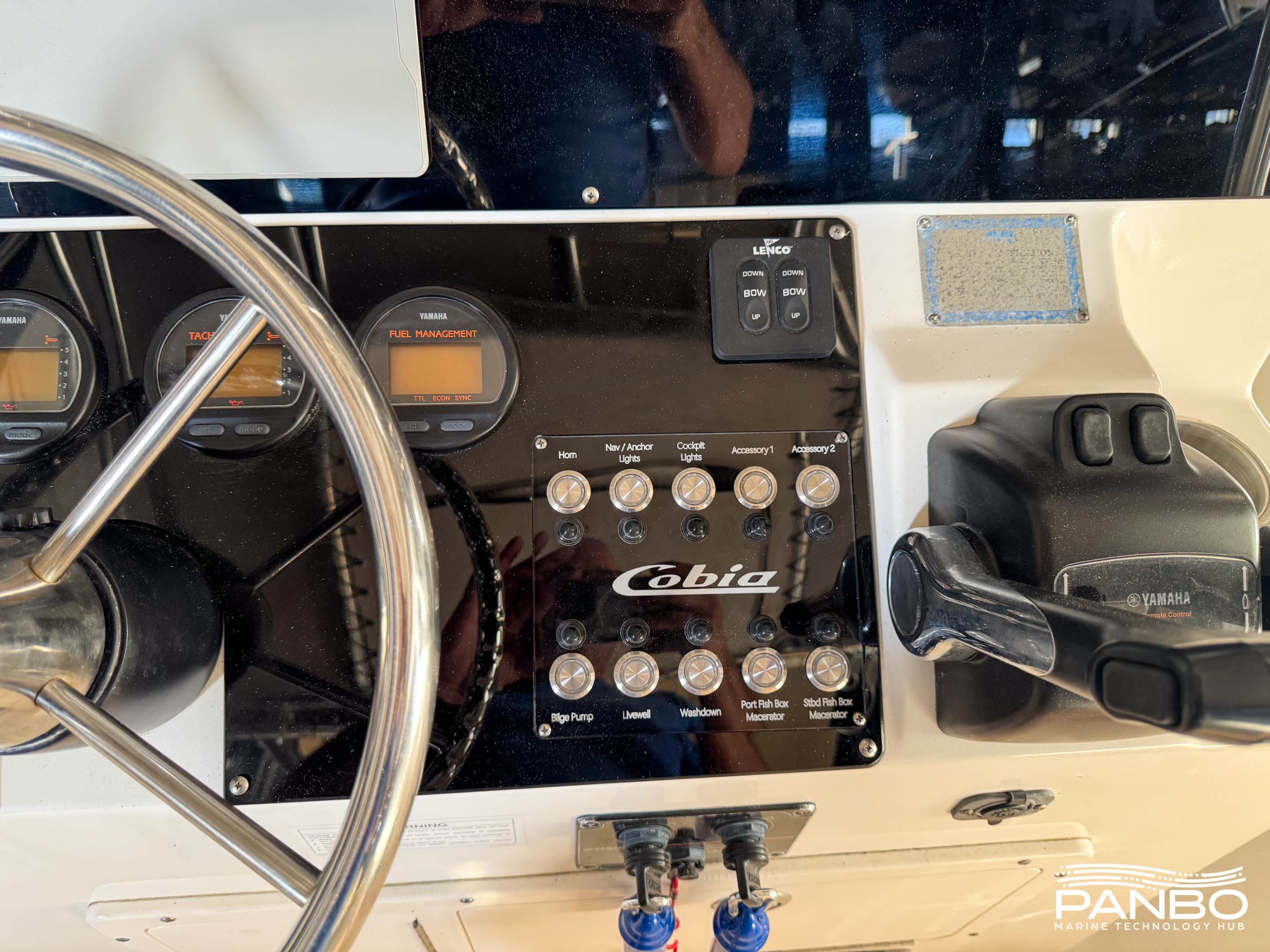
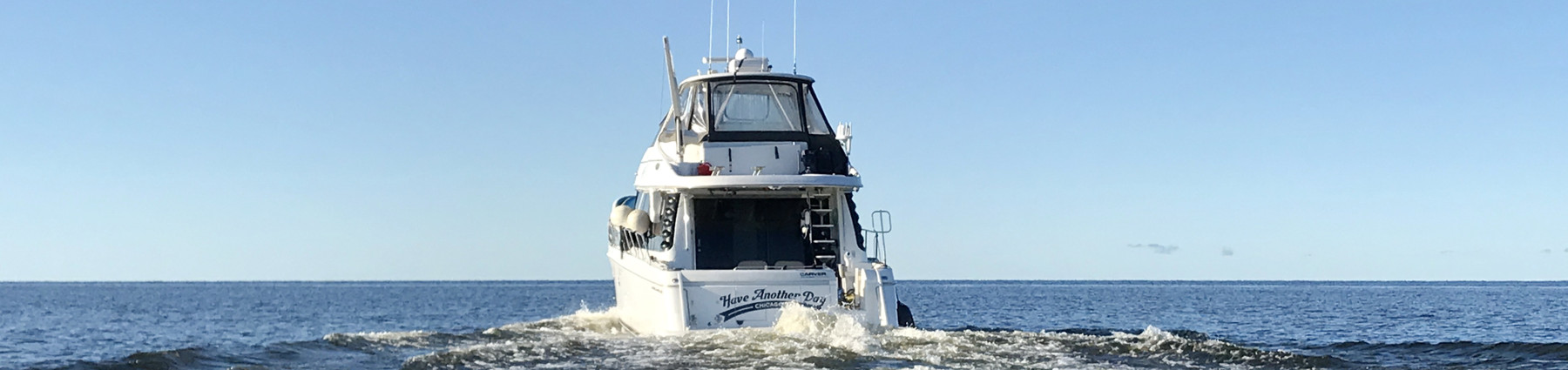
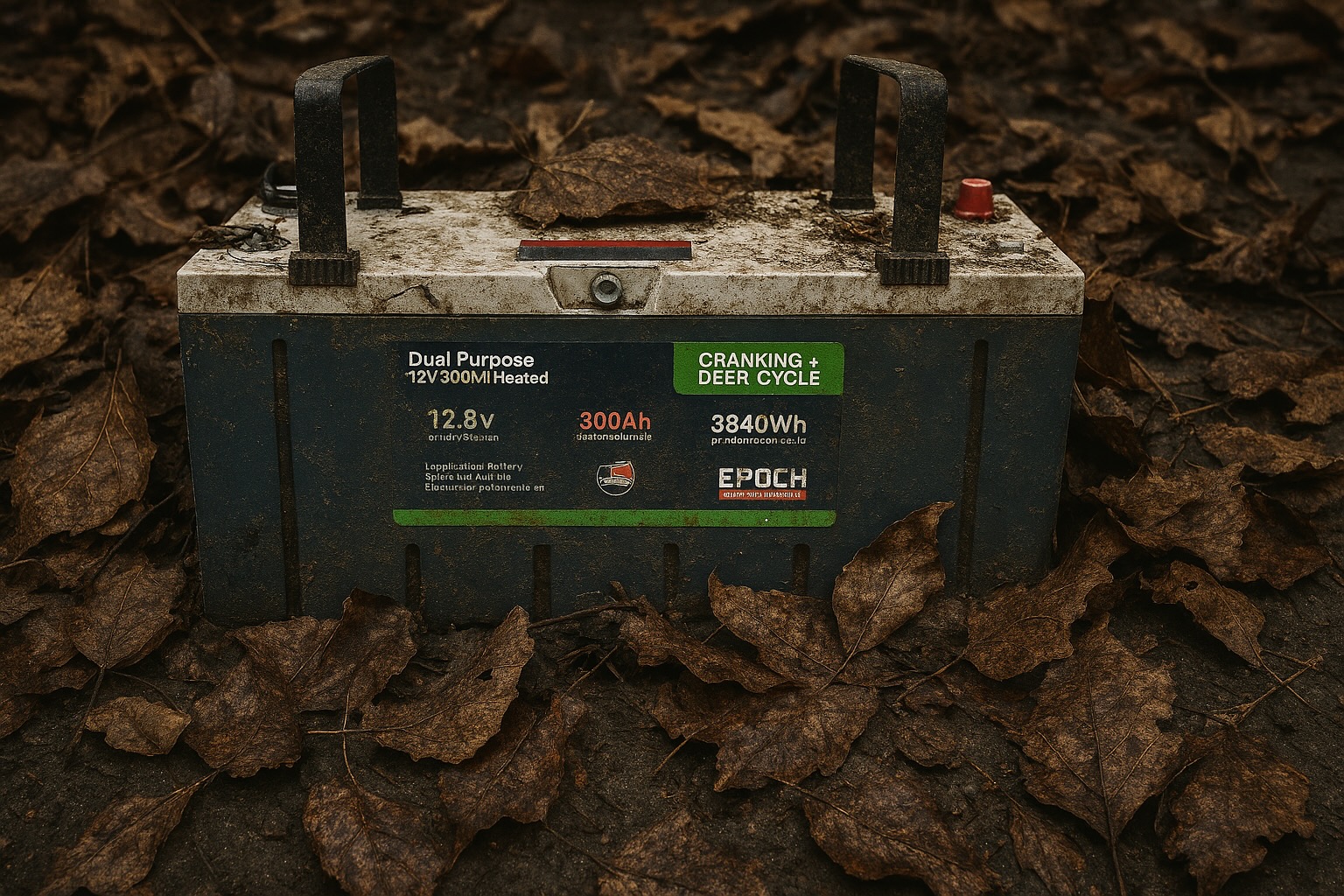
At first I was just going to replace the electronics panel at Gizmo's lower helm, but I got carried away. And at this point I've got a boat that I can't start -- because the engine instruments, and much else, are disconnected -- in a slip that I'm just bumming until the real occupant's yacht is launched (which accounts for slow posting here). But the project is going well, and I'm particularly pleased with the Azek expanded PVC board product I'm experimenting with for the dash panel(s)...
The average boater doesn't need a power analyzer like this, but battery scrooges and testers like me might be interested. This Medusa Research Pro is actually designed for radio control hobbyists but its features and value appealed to my inner geek, and so far I've been really pleased with what it can do...
There are numerous cable labelling devices and styles, as folks have commented about in the Gizmo schematics entry and the systems forensics saltwater pathogens entry (;-). I even have a low-end, but decent Dymo LetraTag Plus whose tape labels can be made work okay on cables. But last week I noticed, and bought, this newish Dymo Rhino 101, which can be used with self laminating cable labels. I like it; it's simple, light, and fast, and no batteries are required.
Here's a Gizmo plumbing detail that turned me on from day one: A hot/cold shower head plus salt- and freshwater outlets (with quick disconnects, yet) all clustered neatly under the fly bridge ladder, with hose storage. They're even labeled well! But, when I first fired up the freshwater hose to rinse off the cleaning work I'd started with salt -- the resources are limited where I'm tied up -- I got a funny feeling and took a taste...
There's an old thread at rec.boats.electronics on how to best install a plotter in an open cockpit so it can be easily removed. Sandy offered the interesting suggestion of using "finger cots" to protect the loose power and data plugs when the unit is put away. Finger cots? Well, hopefully I'm not completely naive, and some of you don't know what they are either? They are used extensively in electronics manufacturing, as seen above, and have other quite different uses, as discussed in Wikipedia. At any rate, finger cots seem handy for protecting plugs and handling circuit boards--and who knows what else--and they can even be found on Amazon.
Most Class B AIS units have an SRM/Silent Mode switch on their casing, but the ACR Nauticast B instead provides a wire to a user-supplied switch. The plus is that you can more easily mount the transponder remotely, the minus is that you do have to install a switch, or only use the included software to control the functions. Incidently, that same software (similar to this) lets you choose the switch function: either to go in and out of silent (receive only) mode or to send a SRM (Safety Related Message, so far little used). At any rate, longtime Panbo reader Dan Gingras—a known LED fan—built the handsome Nauticast B switch above, and has kindly shared his design…
Let me say right off that the delightful title above—antenna cables and connectors really are important to performance—is stolen whole from a first class essay on antenna cabling written by Jason Reilly. And the illustration is cut from another useful coax connector page by Edward Kuester. I don't want to be an expert on such matters, but anyone who fools much with VHF, GPS, AIS, TV/FM, WiFi, and cellular antennas runs into all sorts of semi-standard connectors, and often the need to transition from one to another. The links above are great for the nomenclature, intent, and limitations of the various types, but I don’t think I’ve yet found the best sources for all the bits and pieces I could use in the lab, and you might need on your boat.
My obsession with NMEA 2000 instruments continues. To better test and photograph them in real light conditions, I installed the array in a single, more serious panel. The weapon of choice was that 3 5/8" hole saw above, which is a little bigger than needed but gave me wiggle room for final alignment. It would have worked for surface mounting the Maretron DSM 250 too, but I decided to flush mount it so it didn’t overwhelm the others. The ST70 can also be flush mounted, while the others are all surface only (correction: Furuno will offer a flush mount kit). Note that I did the layout on a template (which, in my case, also became a backing piece), which I then used to make neater and surer cutouts in the white finish panel. A good idea if you are actually cutting holes in your helm or cockpit!
Chris Witzgall from Apex, NC, recently wrote {slightly edited}:
Your site has been invaluable as I get back into boating after a long hiatus, and work out the electronics for our new-to-us Westerly Fulmar sailboat. I have settled on NMEA 2000. Our needs are relatively simple; here is what I have**, or will have*.
All the well-informed feedback I’m getting to my marine electronics maintenance query reminded that a fellow named Joseph Howard wrote last week about the NMEA 2000 hobby project he’s pursuing, and also documenting over the MarinetteBoat forums. “It will be a ARM7 based fuel gauge reading PGN 127505 using Luminary Micro's LM3S8962 evaluation board, 89 bucks from Digi-Key. I am hand coding the stack extensions for address claims. (Wish I'd used a PIC 18 CanBus as they have a free J1939 stack). Quite a bit of C coding.”